
Get immersed in the history latest causes
Find out why Florida's charm has inspired so many.
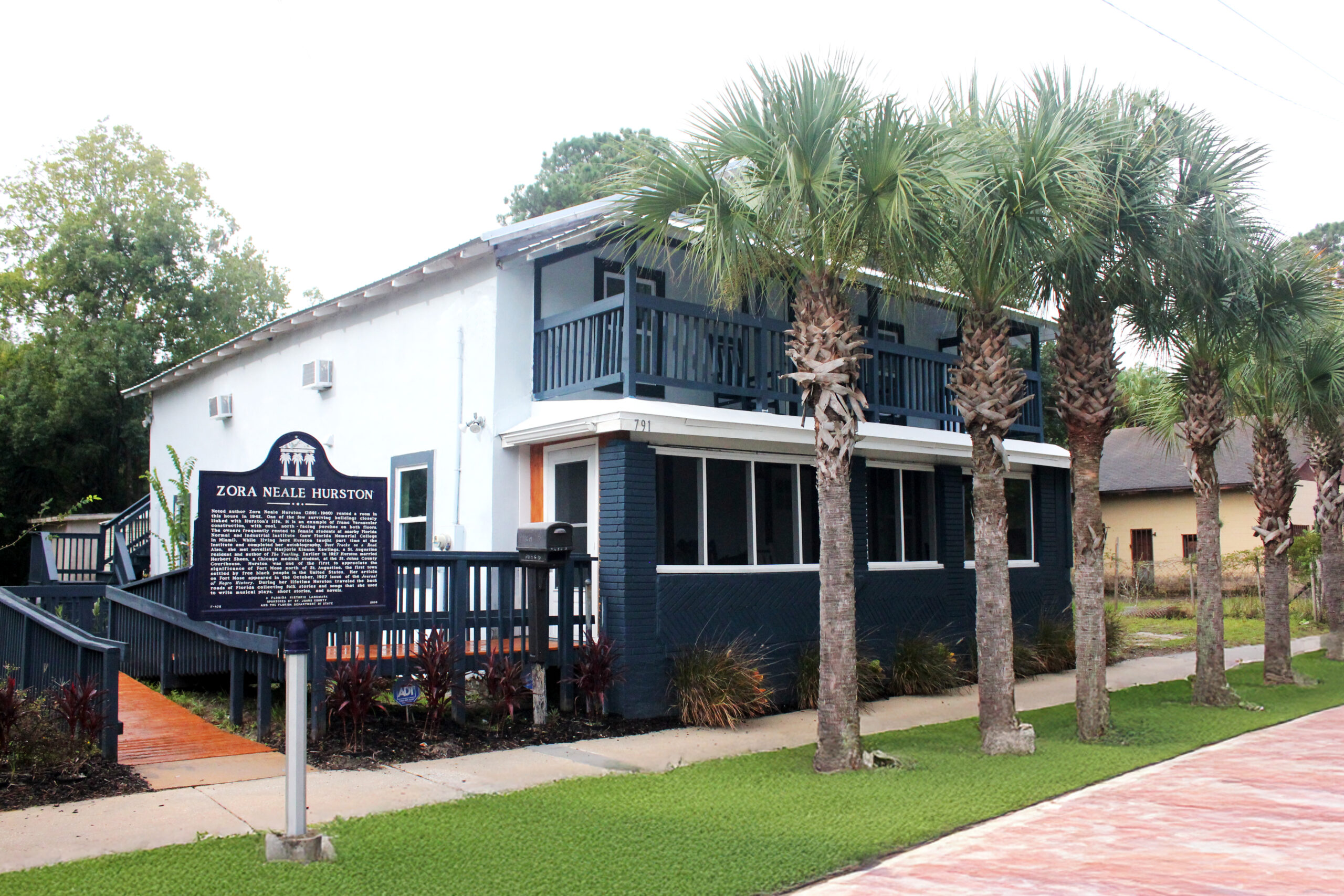
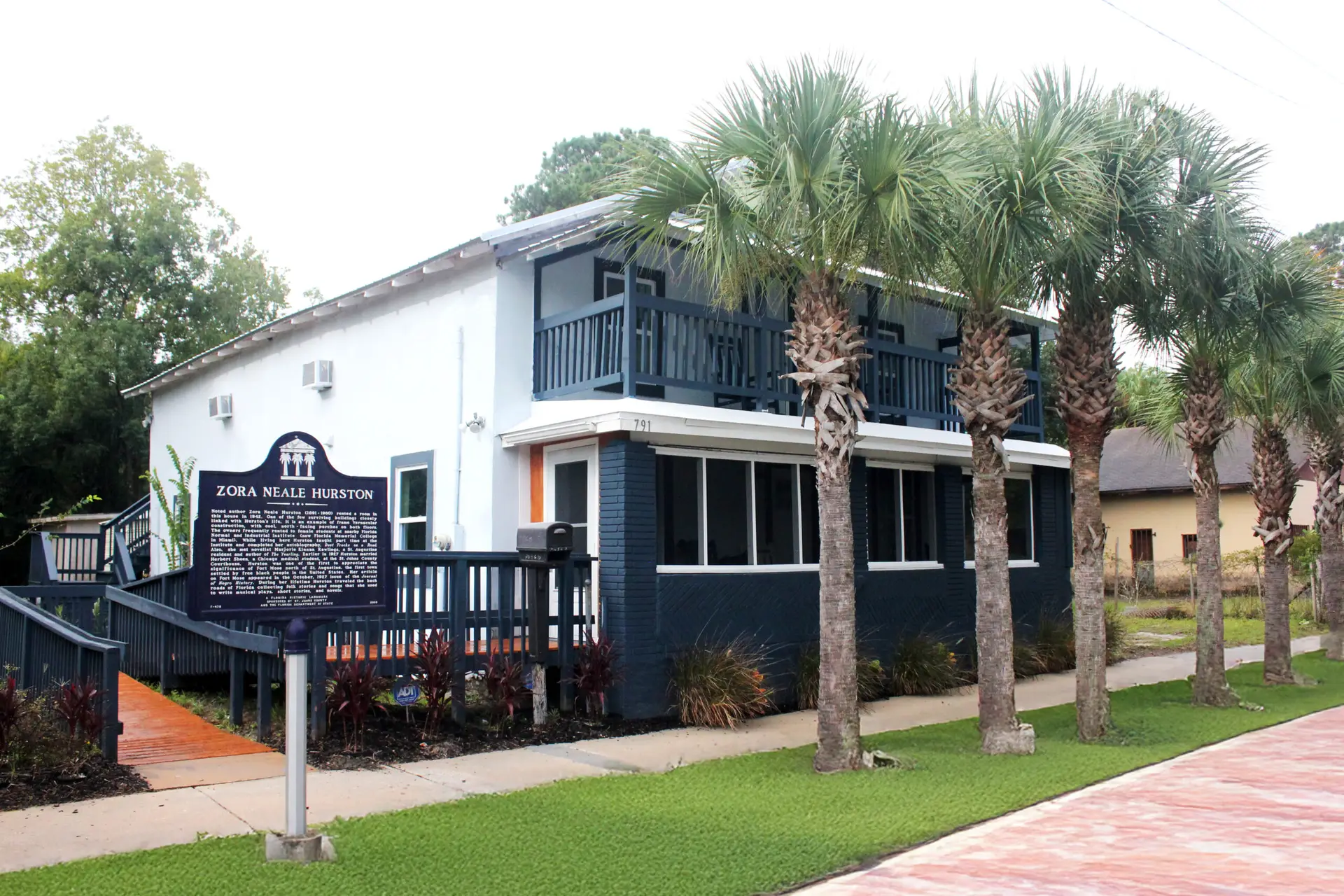
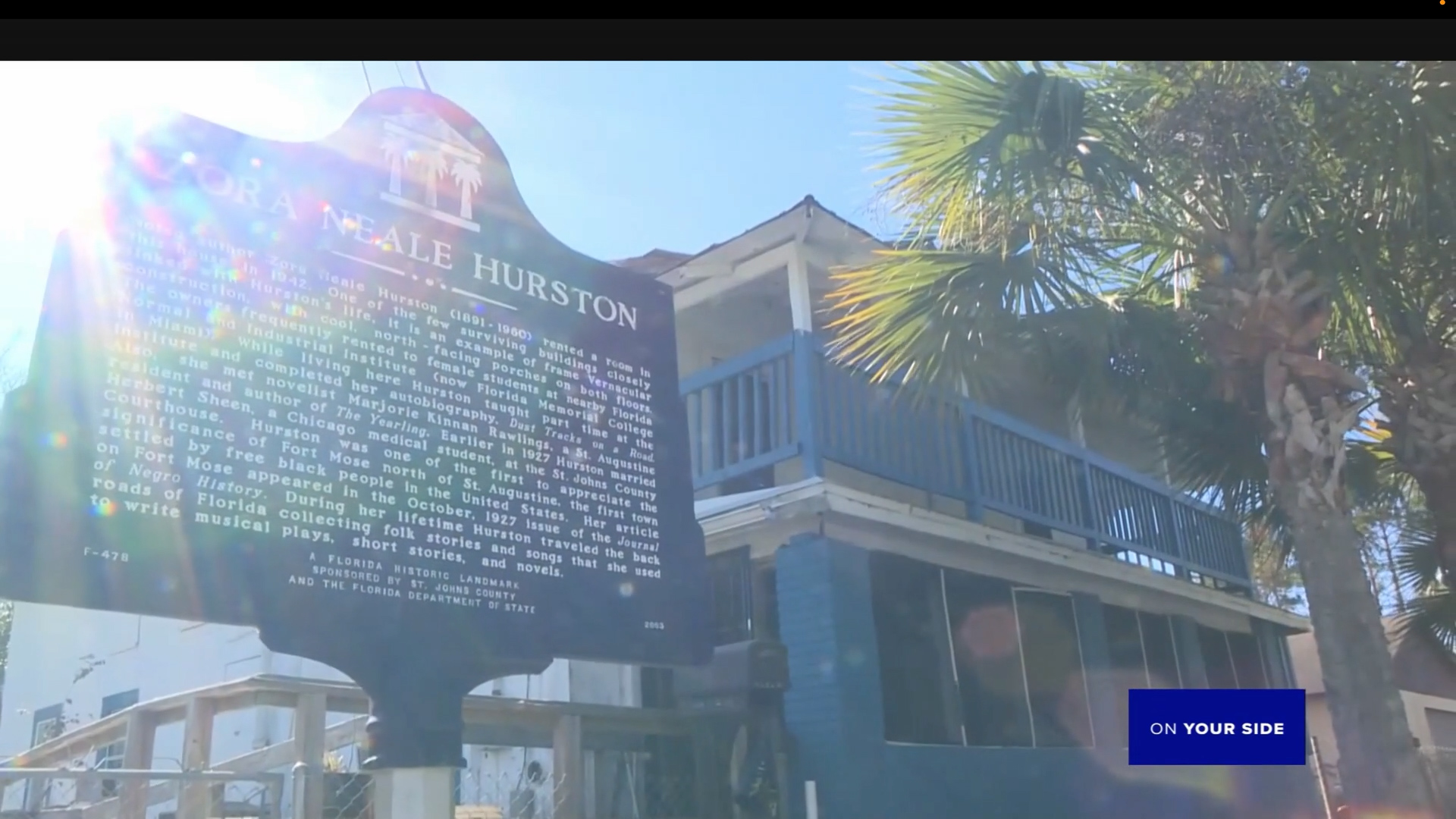
Some stories arrive with fanfare. Others survive by grit. On West King Street in Saint Augustine, a wooden house with a bulging wall and failing floors, once headed toward oblivion, now holds steady again. It’s the home where Zora Neale Hurston, after a lifetime of breaking ground and breaking hearts on the page, revised her best-received book, Dust Tracks on a Road. Here, a rediscovery of an American voice meets a restoration that respects its roots.
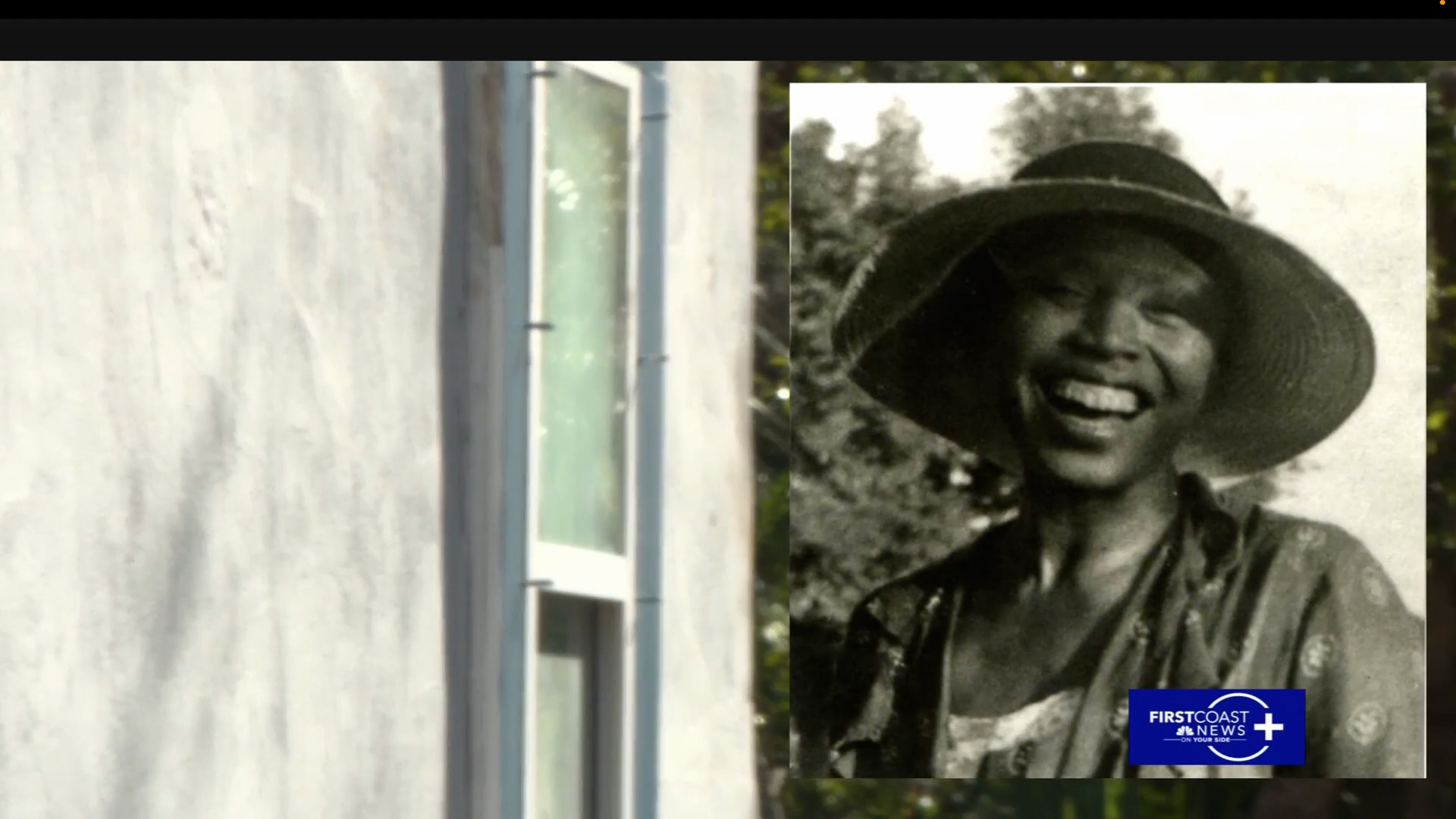
“Zora Neale Hurston is one of those rare authors who became better known after she died,” historian David Nolan explains. “Her books went out of print before 1960; today, she’s back on syllabi and bestseller lists.” The revival is literary. The address is local. And in this home, that revival now feels tangible.
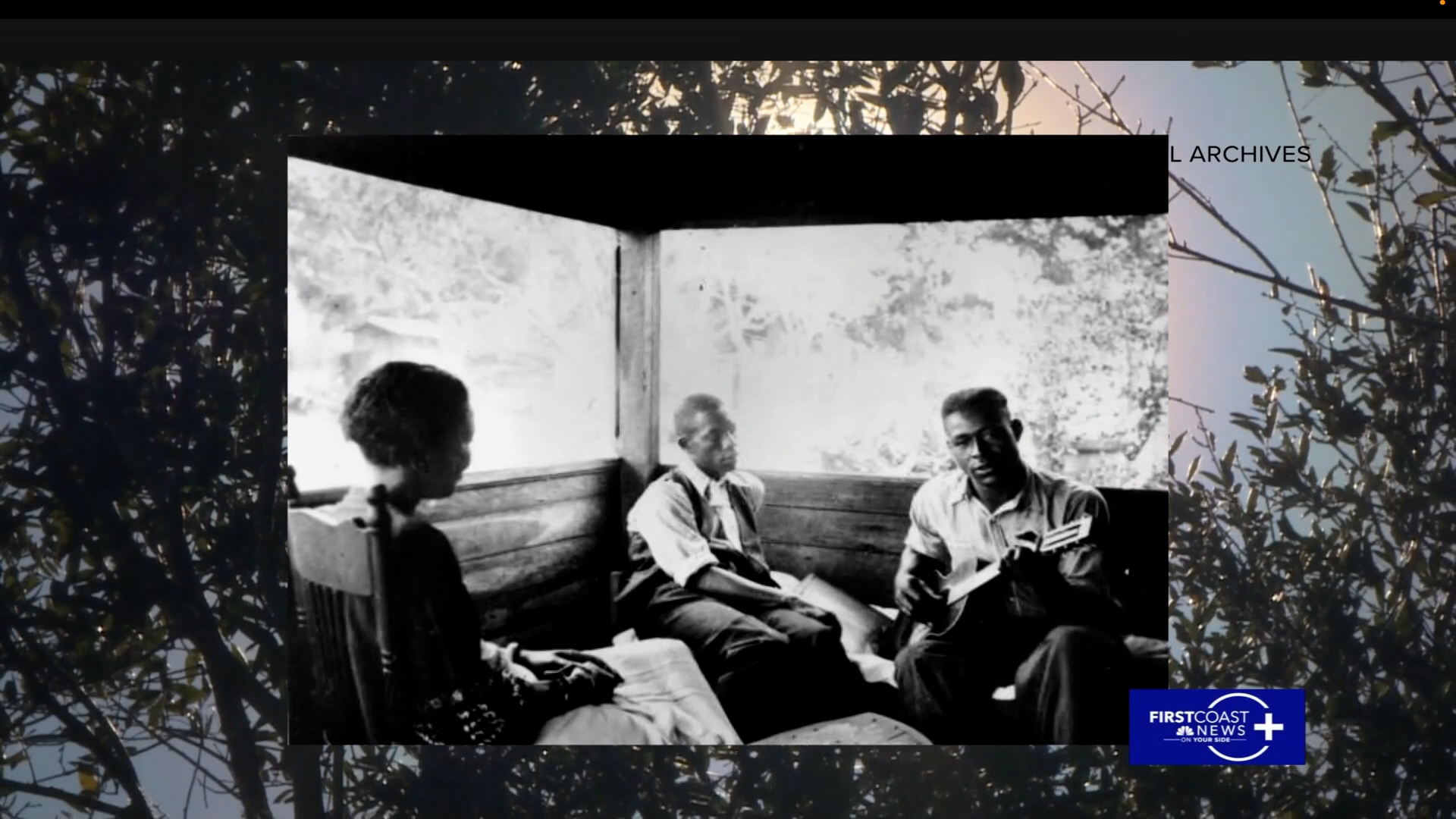
Hurston’s Saint Augustine chapter is brief but pivotal. In 1941, she finished her autobiography and, ever honest, wrote candidly about global politics. After Pearl Harbor, her publisher asked for revisions. She made them here. It was a summer of teaching at Florida Normal College and editing sentences that would outlast the war and the century.
“I’m a great believer in getting up close with old houses,” Nolan says. “You learn something more about the building and the circumstances in which people like Zora Neale Hurston lived.”
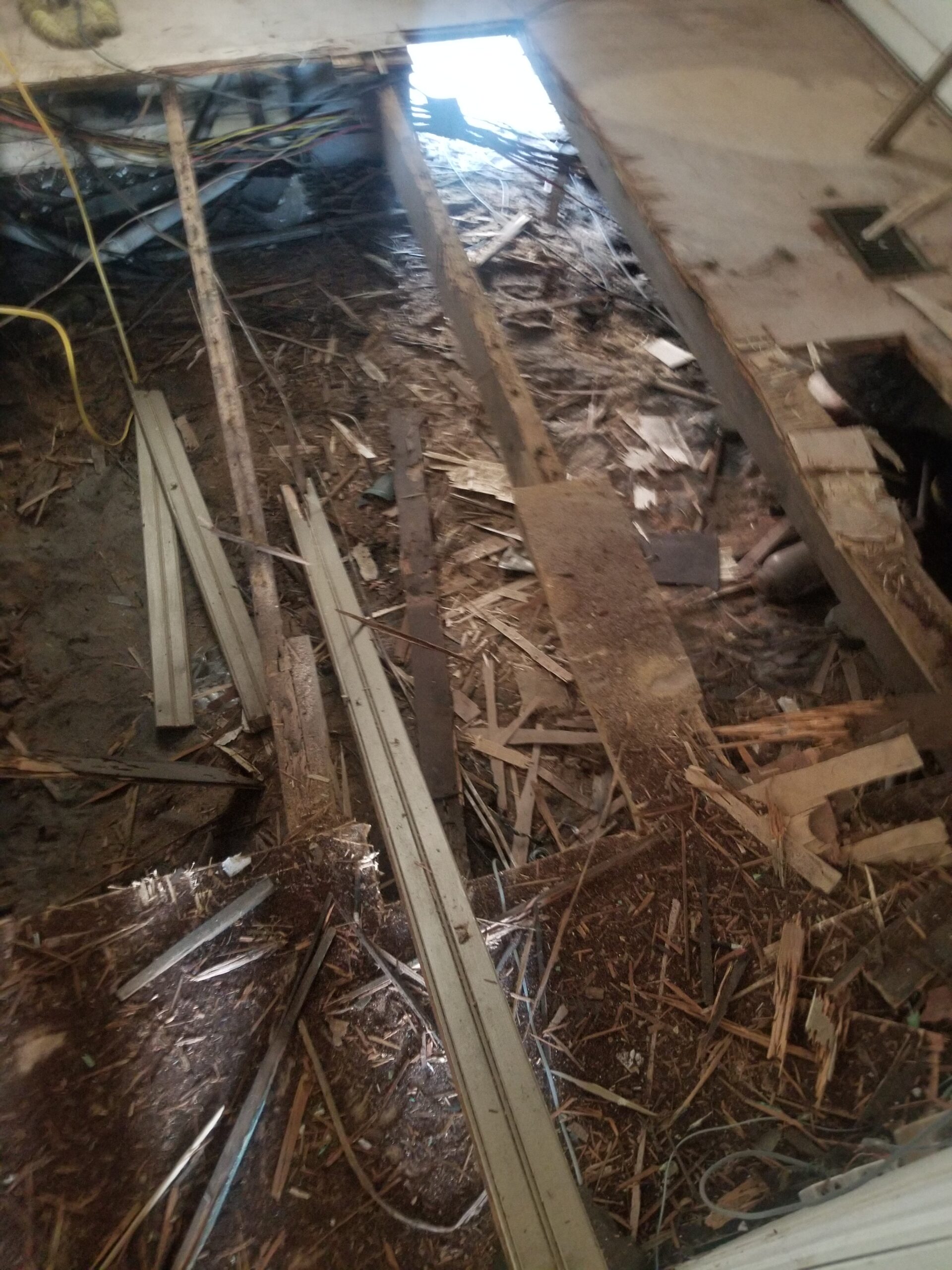
By 2023, the house was for sale. Ms. Johnny Pascoe, who had guarded it fiercely for three decades, had passed away. With its structural issues and its address in West Augustine, an area often overlooked, demolition felt frighteningly plausible.
Enter Lavardis and Dwala Anderson. Lavardis was the co-listing agent. He also felt the weight of stewardship. “A lot of buyers looked at it as an investment,” he recalls. “Tear it down. Start over.” The sellers wanted the opposite: keep the history. The Andersons said yes, and then spent months turning a home in shambles into a beautiful community resource.
“I was over there 12 to 16 hours a day,” Lavardis says. Floors were rebuilt. Walls straightened. Light returned to the second story. The couple hired licensed local craftspeople where they could and offered opportunity to neighbors who wanted to help. Community wasn’t a slogan, it was a method.
“You have to start from within,” Lavardis says. “That’s community building.”
Meanwhile, the design preserved what could be preserved: the hallway footprint, the scale of rooms, the feeling of a dormitory once used by college students. Upstairs became four suites; downstairs, a museum taking shape one artifact at a time.
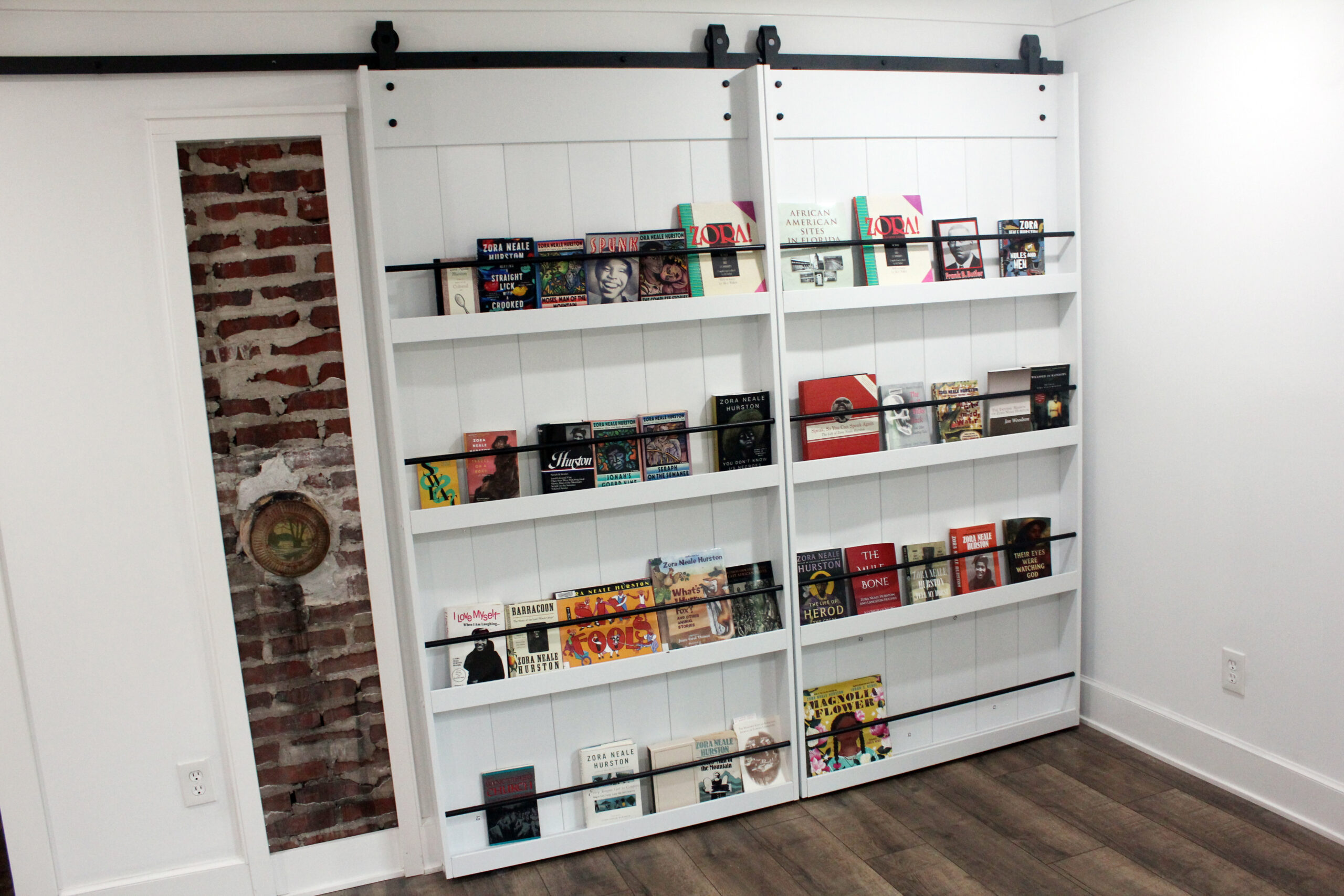
The downstairs cultural resource space with some focus on Hurston’s time here—a slice often missing from her biographies. There’s a growing collection: a marriage record located by historian David Nolan, period photos, artwork, and the books themselves. The Andersons are building toward completeness, with a goal to obtain every title by Hurston, and works about her, to anchor a small but resonant cultural room.
It’s intentionally intimate. The state’s new Black History Museum is planned nearby; the Martin Luther King Beach House has been moved and preserved in the same orbit. West Augustine is becoming a walking map of African-American history and continuity. This house now belongs on that map.
Upstairs, four suites invite a different kind of reading. The Andersons kept the spirit of the dormitory but made the rooms livable, light-filled, and quiet. It’s easy to picture Hurston by a window, revising lines that would become part of the American canon. “When you’re inside an old home, the spirit will talk to you,” Lavardis says. His sketch of the plan, drawn at a kitchen table, became the blueprint he built.
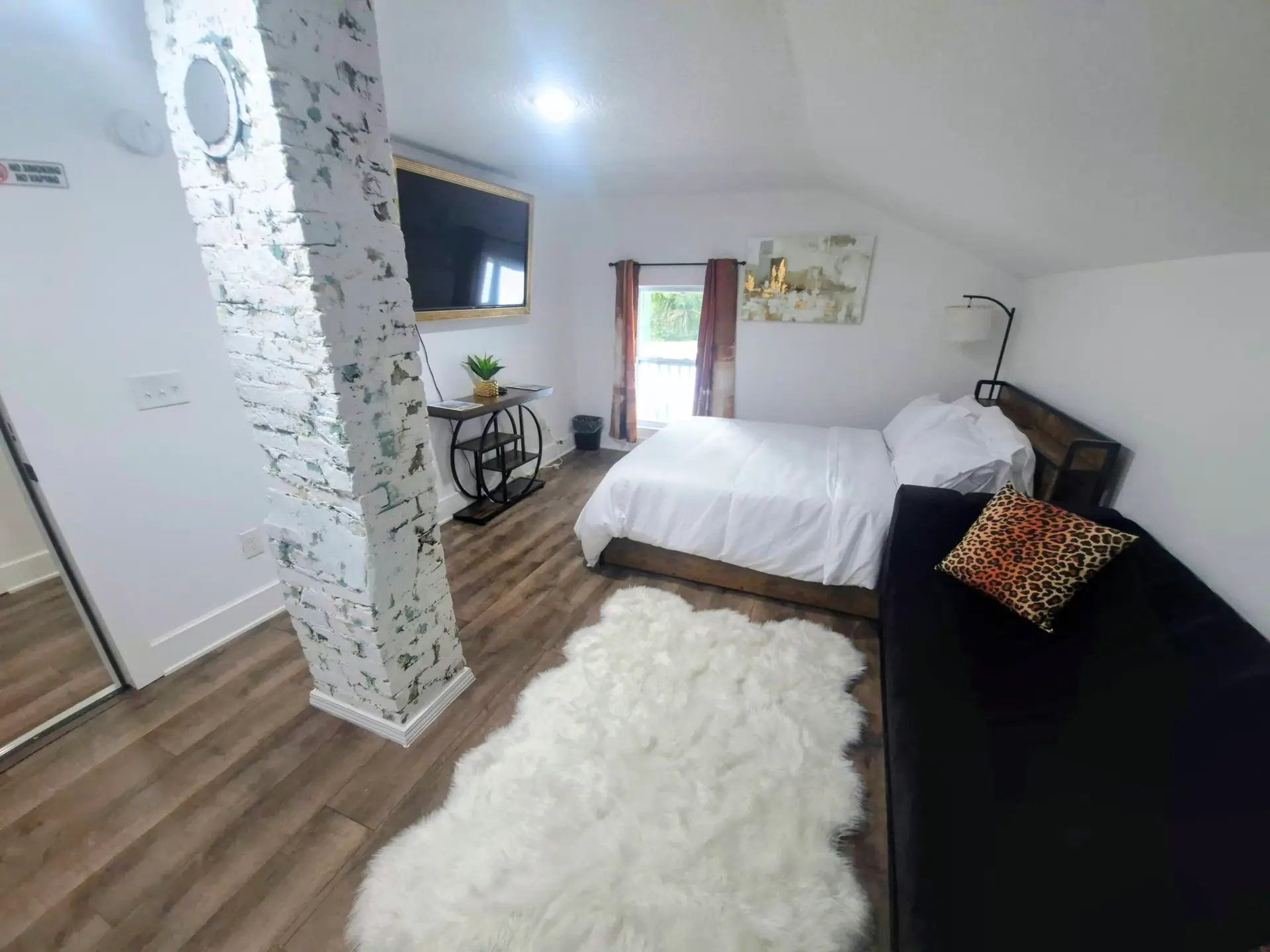
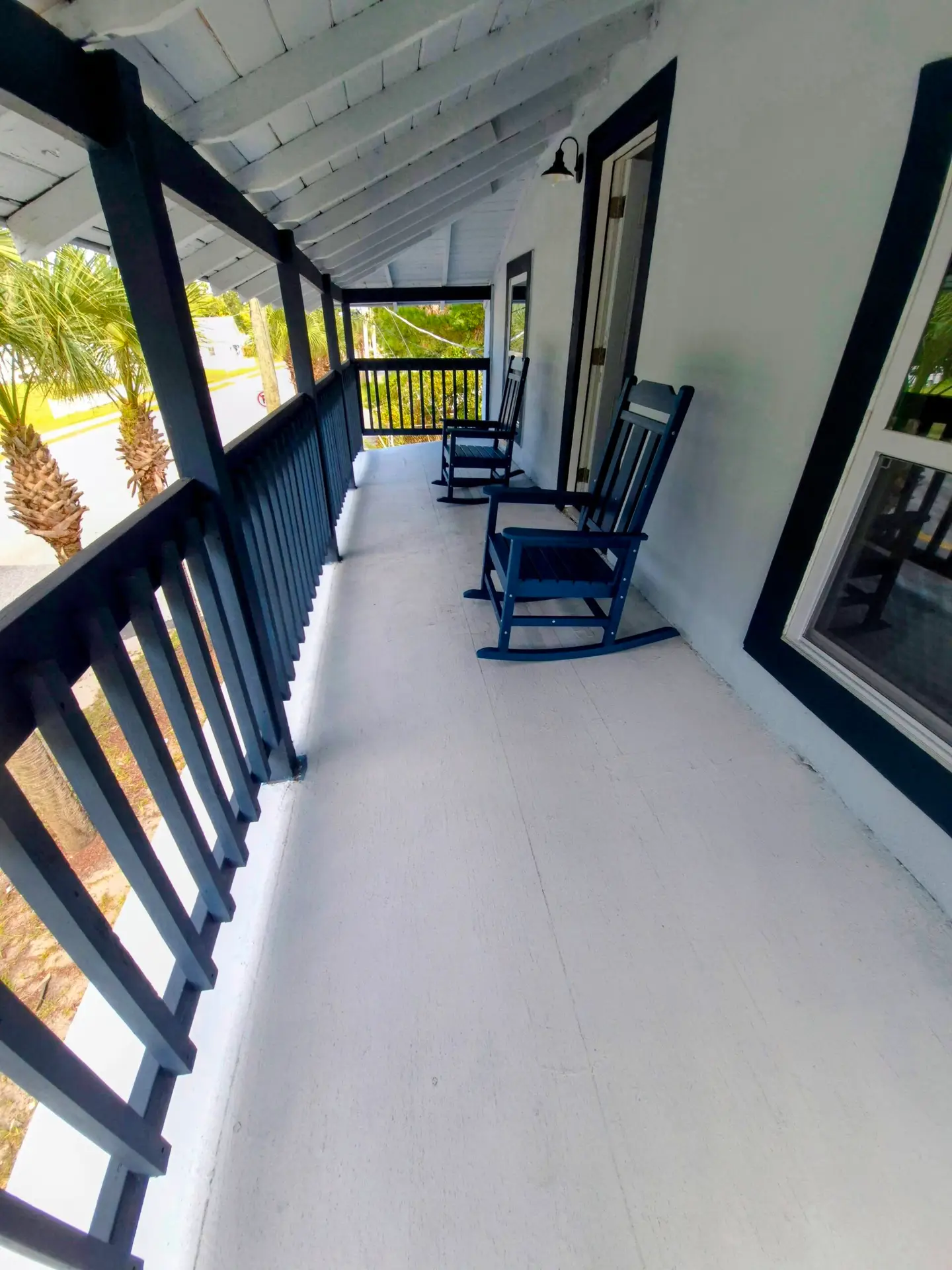
West Augustine has too often been asked to prove its value. This house argues for itself. It stands not only as a preserved structure but as a working proof: history can be saved by neighbors, and culture can be protected by couples. It is a small museum, a short-term stay, a porch with rocking chairs, and a vantage point to imagine Hurston’s summer of revision.
“This is a happy ending for a historic building,” Nolan says. “It doesn’t always happen this way.”
There’s still work to do: more curation, more outreach to families with photos and documents tucked away. But the hardest part—saving the building—is done. The rest is storytelling. Bring the documents, they ask. Bring the memories. Let a wooden house carry them a little farther.
Credits & Notes
Interviews with historian David Nolan and homeowners LaVardis and Dwala Anderson. Transcript excerpts appear verbatim where quoted.